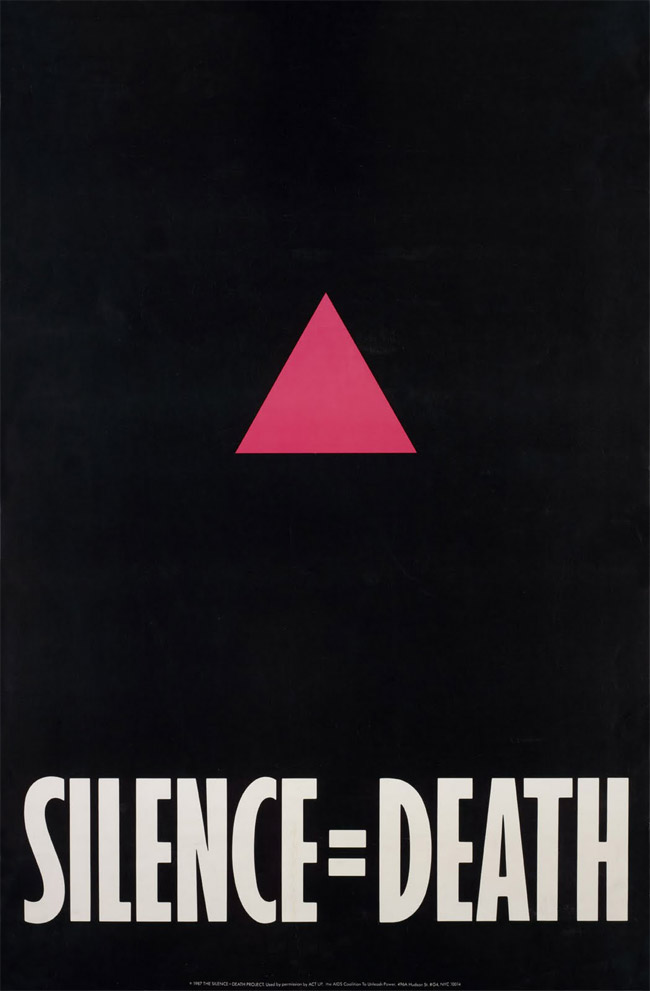
The Cleveland Foundation’s consistent support of efforts to battle AIDS began only a year after U.S. health officials coined the disease’s name: Acquired Immune Deficiency Syndrome. In 1983, foundation staff met with the City of Cleveland’s health commissioner and encouraged the city to move forward with planning for a widespread education program targeted at high-risk groups. In 1986, the foundation followed up with a $67,000 grant for the city’s first public awareness campaign. Spearheaded by program officer for health Robert E. Eckardt, these initiatives stood in marked contrast to the attitude adopted in other peer Midwestern cities, where AIDS was still misunderstood as affecting only the LGBT (lesbian, gay, bisexual and transgender) community, rather than as a major public health threat.
Although spared the brunt of the epidemic, Cleveland saw a doubling of reported AIDS cases every year between the early 1980s and 1988, when Eckardt joined forces with his counterpart at Cleveland’s George Gund Foundation to push for the city’s inclusion in a demonstration project initiated by the Ford Foundation to stimulate a community-wide attack on the disease in nine metropolitan areas. Ford’s National Community AIDS Partnership Project was based on Cleveland’s response to the epidemic. The Cleveland and Gund Foundations raised $1 million for project grants that helped to pave the way for what became a collaborative, broad-based response to AIDS in Greater Cleveland.
With continuing financial support from the two foundations, a Citizens Committee on AIDS/HIV was convened in 1992. The 13-member committee (which included a number of persons living with AIDS/HIV) reviewed service and funding gaps and developed an action plan out of which grew the AIDS Funding Collaborative (AFC). Supported by Cleveland and Gund, the Cuyahoga County Commissioners, United Way Services and the National AIDS Fund, AFC awarded grants to implement the citizen committee’s wide-ranging recommendations and encourage the community’s coordination of services. Since its inception in 1994, AFC has distributed more than $8 million to private and public-sector providers for research, treatment and related social services.
In the period before early screening tests and improved antiretroviral treatments transformed AIDS into a long-term chronic disease for most patients in the United States, the Cleveland Foundation’s advocacy of preventative education and proactive healthcare programs helped to lessen the disease’s impact in Cuyahoga County.